
When it comes to financial planning, one of the most important decisions you’ll face is whether to focus on paying down debt or investing in assets like property. Both strategies have their merits and can significantly impact your financial future. Striking the right balance between these approaches is crucial to achieving long-term financial security.
Why Paying Down Debt is Crucial
Debt, especially high-interest debt like credit cards and personal loans, can quickly become a financial burden. Credit cards often come with interest rates of 15% or higher, which means you’re paying a lot more over time if you only make minimum payments. Eliminating this type of debt should be a top priority, as it frees up cash flow and reduces financial stress.
On the other hand, not all debt is created equal. Mortgage debt, for example, is considered “good debt” because it helps you build equity in an appreciating asset - your home. You might consider increasing your monthly payments slightly to shorten the loan term. This can save you years of payments and thousands in interest. However, it’s important to remember that while paying down your mortgage faster is a smart move, your home isn’t a liquid asset - you “can’t eat your house” when it comes to funding your retirement. This is where investing comes into play.
The Case for Investing in Property
Once you’ve paid down high-interest debt and built some equity in your home, investing in real estate can be a powerful way to grow your wealth. If you already own a home and have significant equity, you may be able to use that equity to purchase an investment property with little to no cash down. Banks allow homeowners to tap into their equity through a home equity loan or line of credit, which can be used as a deposit for an investment property.
Investment properties generate passive income in the form of rent, which not only helps cover the mortgage and expenses on the property but can also provide an additional stream of income during retirement. Alternatively, you can sell one or more properties when you retire, using the proceeds to pay off your own mortgage and fund your retirement lifestyle. Real estate offers both immediate and long-term financial benefits, making it an attractive option for those looking to build wealth.
Balancing Debt Repayment and Investing
Ultimately, the decision to prioritize paying down debt or investing in property depends on your individual financial situation and goals. If you’re burdened with high-interest debt, focus on eliminating it first. Once that’s under control, you can allocate funds toward building wealth through investments.
For many people, the best approach is to do both - pay down debt while also investing. For example, you might dedicate a portion of your income to making extra payments on your mortgage while simultaneously saving for or investing in an income-producing property. Over time, this balanced strategy helps you reduce debt, build equity, and create additional streams of income.
The Long-Term Payoff
Whether you choose to pay off debt, invest in property, or combine both, the goal remains the same: financial independence. By purchasing investment properties, you’re setting yourself up for long-term success with assets that can either be sold to fund your retirement or retained for passive income.
Both strategies offer value, but planning wisely is key. Paying down debt provides immediate financial freedom, while investing in property builds wealth for the future. With the right balance, you can achieve both.
Disclaimer: The information provided in this article is for general educational purposes only and does not constitute personalised financial or investment advice. Because every individual's financial situation is unique, we recommend consulting with qualified financial, legal, and tax professionals to develop a plan tailored to your specific needs and goals.
Ready to take your first step in property investment?
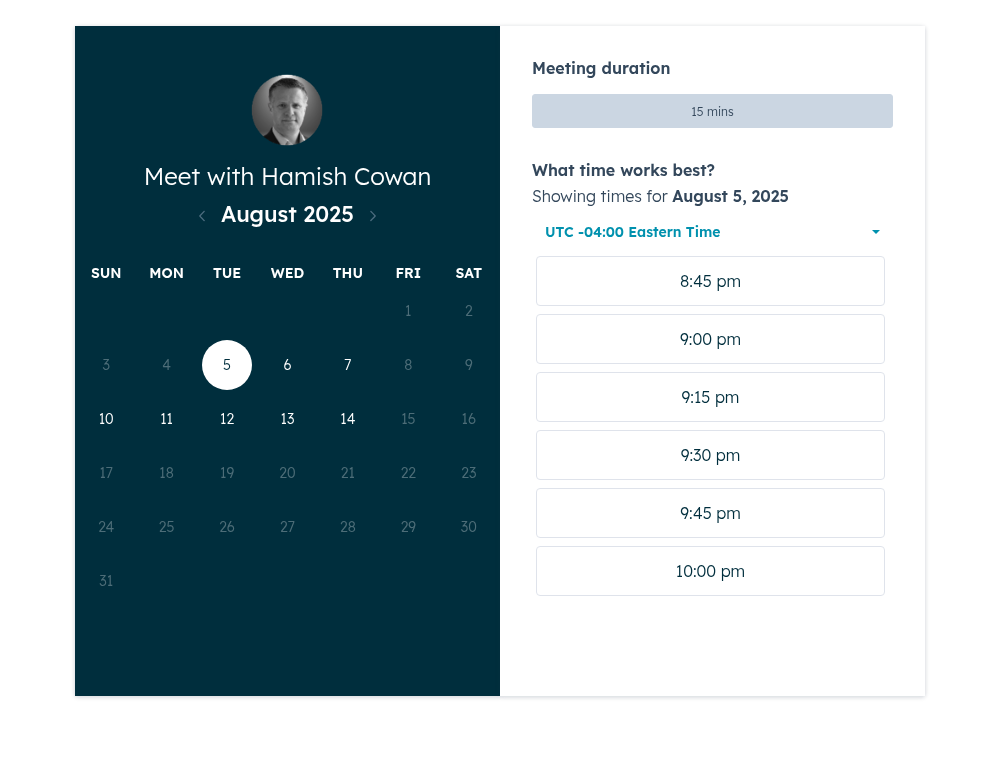
We specialise in helping you build a secure financial future through strategic real estate investment. Book a no-obligation, 15-minute call with our director, Hamish, to explore your options and see how we can help you achieve your goals.

5 Top Reasons to Choose Equiti Over Working Directly with Developers
.png)
The Importance of Builder Reputation in Your Investment Decision